Skip to content

 English
  Español
  Português
  Deutsch
  Français
  Русский
  العربية
Everything food scientists, formulators, and procurement teams need to know about carmine red E120 — from cochineal biology to FDA regulations and industrial sourcing.
⚡ 2026 Update: This guide has been revised to reflect FDA mandatory labeling enforcement updates, EFSA’s most recent ADI review, and the 2025–2026 clean-label reformulation trends driving record demand for carmine E120. Technical specifications sourced from Imbarex production data as of Q1 2026.
Carmine red is one of the most ancient, stable, and globally regulated natural food colorants in the world. Derived from the cochineal insect, used by Aztec emperors, and approved by the FDA, EFSA, and JECFA, it is also — in 2026 — one of the most strategically important pigments in the food industry.
What Is Carmine Red? Definition & Chemical Identity
Carmine red — also written as carmine, E120, CI Natural Red 4, or cochineal red — is a crimson-to-scarlet natural pigment extracted from the dried bodies of female Dactylopius coccus cochineal insects. Its active coloring molecule is carminic acid (molecular formula C₂₂H₂₀O₁₃; CAS 1260-17-9), a hydroxyanthraquinone glucoside that produces exceptionally stable red hues across a broad pH range of 3.0 to 8.0.
When carminic acid is precipitated with aluminum potassium sulfate (alum) or calcium salts during industrial processing, it forms the insoluble pigment known as carmine lake — the most widely used form in processed foods, confectionery, and cosmetics. In its water-soluble form (liquid carmine or water-soluble carmine powder), it is dispersed directly in aqueous food systems such as beverages, dairy products, and sauces.
Key synonyms and regulatory identifiers used across markets include: Natural Red 4, crimson lake, carmine lake, cochineal extract, E120, and in cosmetic labeling, CI 75470. Understanding these names is critical for ingredient label compliance — a point we examine in the regulatory section.
The History of Cochineal: 500 Years of Industrial Color
Long before synthetic dyes existed, the Aztec and Inca civilizations of Latin America harvested Dactylopius coccus insects from Opuntia cacti to produce a vivid scarlet dye they called nocheztli. Aztec rulers used carmine-dyed textiles as symbols of power; Inca weavers produced intricate tapestries with hues that still hold their vibrancy 500 years later — testimony to the pigment’s extraordinary stability.
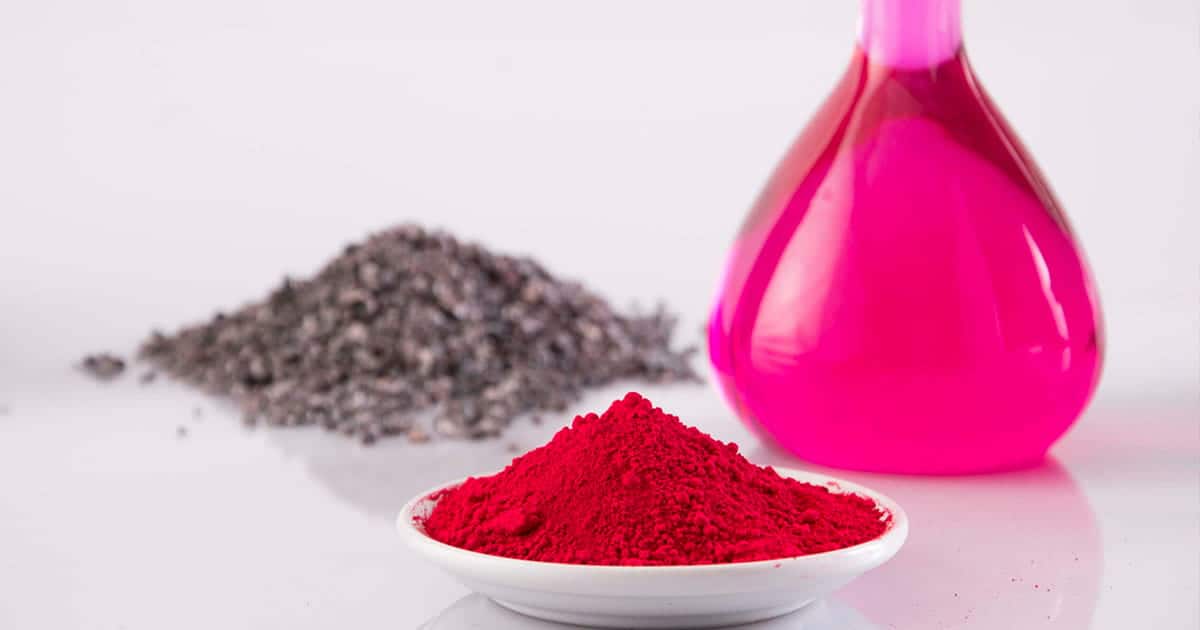
Looking for a high-quality carmine red color for your products? The answer lies in cochineal, a natural source of carminic acid that has been trusted for centuries for its vibrant, stable, and safe red tones.
Today, Peru is the world’s leading producer of cochineal, supplying around 85% of global demand. This makes Peru the most reliable origin for carmine red food coloring (E120), recognized worldwide for its purity, traceability, and consistent quality.
For companies seeking a trusted partner, Imbarex offers a fully integrated supply chain—from Peruvian cochineal farms to internationally certified production. With years of experience and strict quality standards, Imbarex ensures safe, reliable, and scalable solutions for natural red food coloring.
RELATED READING ON IMBAREX BLOG:
- Which foods contain carmine? A guide to this natural colorant
- Natural Red Food Colorants: From Beetroot To Amaranth Dye
- Are red fruit snacks bad for you? Learn about their harmful ingredients
How Carmine Red Is Made: The Production Process
The production of commercial carmine red is a multi-stage industrial process that begins in the Peruvian highlands and ends in a certified laboratory. Understanding the production chain is essential for buyers evaluating quality, traceability, and regulatory compliance — three areas where carmine manufacturers vary significantly.
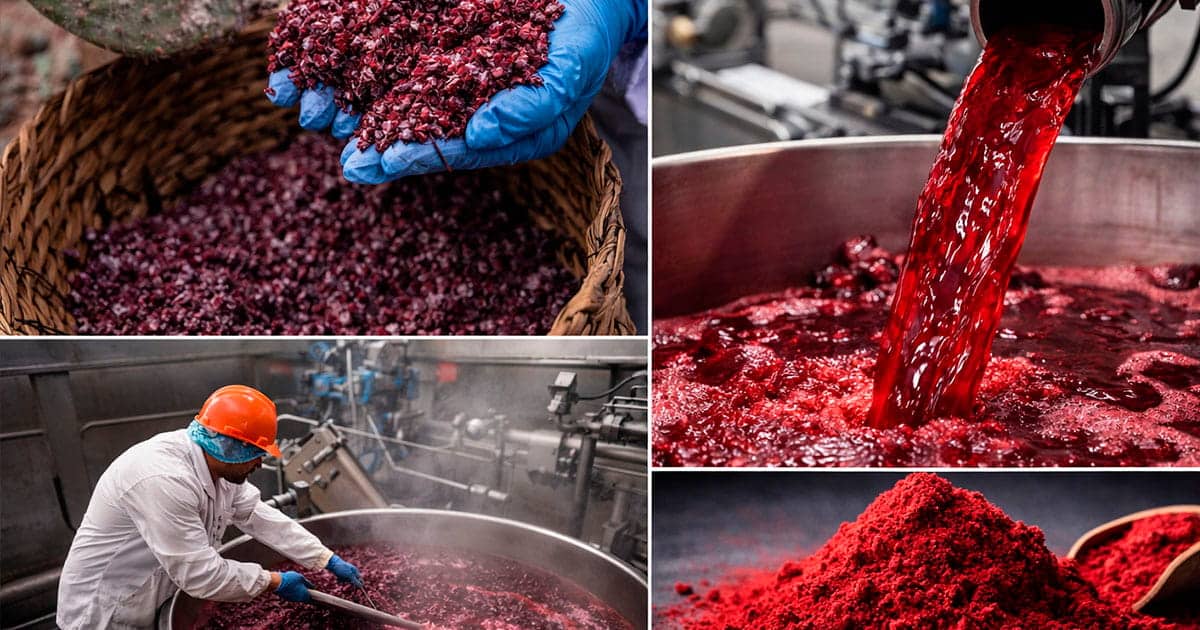
From Cochineal Farm to Certified Pigment
-
Cochineal Cultivation & Harvesting
Female Dactylopius coccus insects are cultivated on Opuntia ficus-indica (prickly pear) cactus pads in Peru’s highland regions. Females reach peak carminic acid concentration — typically 17–24% of dry body weight — approximately 90 days after infestation. They are harvested manually before natural death, which would begin enzymatic degradation of carminic acid.
-
Drying & Pre-Processing
Harvested insects are immediately dried at controlled temperatures to arrest enzymatic activity and reduce moisture content to ≤12%. Drying method (sun-drying vs oven-drying) influences carminic acid yield and final product purity — Imbarex works with farms that apply controlled oven-drying protocols to ensure consistent carminic acid concentration per batch.
-
Aqueous Extraction
Dried insects are ground and subjected to hot aqueous extraction (60–80°C) with food-grade solvents per JECFA specifications. This step solubilizes carminic acid from the insect matrix into the aqueous phase, producing a concentrated carminic acid solution. Extraction efficiency is monitored by UV-Vis spectrophotometry.
-
Precipitation & Lake Formation
To produce carmine lake, the carminic acid solution is precipitated with aluminum potassium sulfate (alum) at controlled pH (4.0–6.0). This forms the insoluble aluminum carmine salt. For calcium lake variants, calcium chloride or calcium hydroxide replaces alum. pH control is critical — deviations of ±0.5 pH units affect pigment hue and tinting strength.
-
Filtration, Washing & Drying
The precipitated lake is filtered, washed repeatedly with deionized water to remove soluble impurities and residual sulfate ions, then dried and milled to standardized particle size (typically D90 <50 μm for food grade; <10 μm for cosmetic grade).
-
Quality Control & Certification
Each production lot is analyzed by FCCII for carminic acid content, microbiology (TPC, yeast, mold, absence of pathogens), moisture content, heavy metals (lead, arsenic, mercury, cadmium), and colorimetric properties. At Imbarex, every released lot is accompanied by a full Certificate of Analysis (COA) and is traceable to specific cochineal harvest batches.
Imbarex Quality Standard
Imbarex Natural Colors manufactures carmine red under FSSC 22000, ISO 22000, Kosher, and Halal certifications. Our production facility in Lima, Peru operates with full traceability from farm to final lot, and technical data sheets are available for all formats.
Industry Applications: Food, Cosmetics & Pharma
Carmine red (E120) is one of the most versatile natural colorants in industrial use, approved across more than 65 food categories in the Codex Alimentarius and in cosmetic and pharmaceutical applications in all major markets. Its combination of thermal stability, broad pH performance, and clean-label credentials makes it uniquely suited to demanding manufacturing environments.
Food Industry Applications
| Food Category | Recommended Format | Typical Dosage Range | Target Shade |
| Yogurt & Fermented Dairy | Liquid Carmine / Water-Soluble | 20–60 mg/kg (as carminic acid) | Pink to red, pH-adjusted |
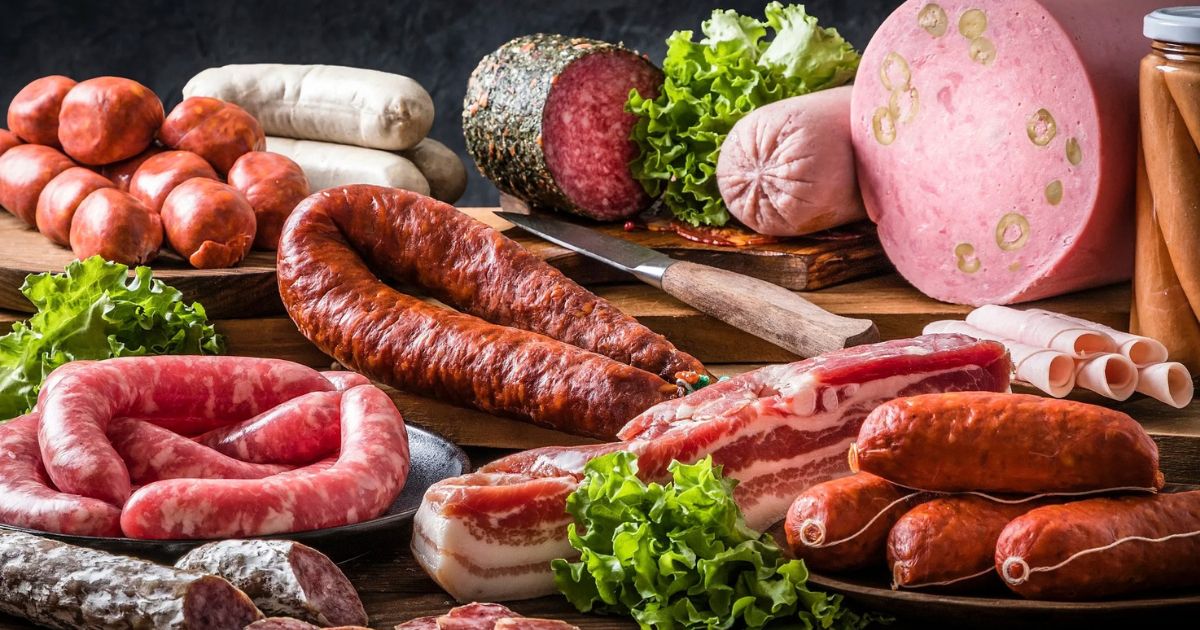
| Processed Meat (sausages, salamis) | Carmine Lake Powder | 50–200 mg/kg | Deep red, stable through heat treatment |
| Beverages (still & carbonated) | Liquid Carmine / Carminic Acid | 15–80 mg/L | Cherry to ruby red |
| Hard Candy & Confectionery | Carmine Lake | 100–400 mg/kg | Stable red through boiling/cooling |
| Ice Cream & Frozen Desserts | Liquid / Water-Soluble | 30–100 mg/kg | Strawberry to raspberry red |
| Bakery Fillings & Icings | Water-Soluble Carmine | 50–200 mg/kg | Pink to deep red |
| Maraschino Cherries & Fruit Prep. | Liquid Carmine | 50–150 mg/kg | Intense cherry red |
| Pet Food (wet & dry) | Carmine Lake / Liquid | Variable (GMP) | Meat-realistic red tones |
Cosmetics & Personal Care
Carmine is the most widely used natural red pigment in cosmetics globally. Regulated as CI 75470 under 21 CFR 73.1100 (FDA) and Annex IV of the EU Cosmetics Regulation (EC 1223/2009), it is approved for use in lipstick, blush, eyeshadow, nail polish, and skincare formulations. Its exceptional light stability and deep, non-bleeding color make it the preferred choice for long-wearing lipstick formulations.
The cosmetics-grade carmine supplied by Imbarex undergoes additional purification to achieve particle sizes below 10 μm and enhanced microbiological purity standards required for perioral and ophthalmic-area applications.
Pharmaceutical Applications
In the pharmaceutical sector, carmine (E120 / CI 75470) is used as a coating colorant for tablets and capsules, identifying color in gels and liquid medicines, and in diagnostic applications. It is approved under 21 CFR 73.1100 (US), Annex V of EC 1223/2009 (EU cosmetics including topical pharma), and the relevant national pharmacopoeia standards in Japan, Brazil, and Australia.
Explore The Applications Of Cochineal Red Carmine
- Carmine in Dairy Products & Ice Cream
- Carmine in Meat Products
- Carmine in Beverages
- Carmine in Confectionery
- Carmine in Pharmaceutical Products
- Carmine in Pet Food
Regulatory Status: FDA, EFSA & Global Approvals (2026)
Carmine red (E120) is one of the most extensively reviewed food colorants in regulatory history. Its approval spans all major world markets, with specific labeling requirements that food manufacturers must understand to avoid compliance risk.
United States — FDA
The FDA regulates carmine under 21 CFR 73.100 (food), 21 CFR 73.1100 (cosmetics), and 21 CFR 73.2030 (externally applied drugs). It is a permanently listed color additive, exempt from batch certification. Since January 5, 2011, FDA regulations require that any food containing carmine or cochineal extract must declare it by name — “carmine” or “cochineal extract” — on the ingredient label, due to documented cases of allergic reactions including anaphylaxis. Usage is permitted under GMP principles; FDA does not set a maximum permitted level for food use.
European Union — EFSA & EC 1333/2008
In the EU, carmine is regulated as E120 under Regulation (EC) No 1333/2008 on food additives. EFSA’s comprehensive safety re-evaluation (EFSA Journal 2015;13(11):4288) established a Group ADI of 5 mg/kg body weight/day (expressed as carminic acid) for E120. Permitted maximum levels are defined per food category — key levels include: fermented dairy products (150 mg/kg), meat preparations (100 mg/kg), beverages (100 mg/L), confectionery (200 mg/kg), and cereal-based desserts (150 mg/kg). Mandatory labeling as “E120” or “carmine” applies to all EU food products.
Carmine Red vs Synthetic Dyes: A 2026 Comparison
The clean-label movement has placed carmine red and its synthetic competitors — principally Red 40 (Allura Red, E129) and Red 3 (Erythrosine, E127) — under intense comparative scrutiny. Here is an objective, data-driven assessment relevant to food manufacturers evaluating reformulation decisions in 2026.
“The global natural food colors market reached USD 2.8 billion in 2024 and is projected to grow at a CAGR of 7.1% through 2030 — driven primarily by clean-label reformulation away from synthetic dyes in North America and Europe.”
— GLOBAL NATURAL FOOD COLORS MARKET REPORT, 2025
| Parameter | Carmine Red E120 Natural | Red 40 / Allura Red E129 Synthetic | Red 3 / Erythrosine E127 Synthetic |
| Origin | Cochineal insects — natural | Petroleum-derived azo dye | Petroleum-derived xanthene dye |
| FDA Status (2026) | ✅ Permanently listed | ✅ FD&C certified (under review) | ⚠️ Revoked for use in maraschino cherries (2023 FDA final rule); food use phase-out initiated |
| Cost Index (relative) | Higher than synthetic | Low (commodity) | Moderate |
| 2026 Regulatory Outlook | Stable — no restrictions anticipated | US review ongoing; EU warning retained | Phase-out in US food use underway |
| EU Warning Label Req. | None required | “May have an adverse effect on activity and attention in children” (Regulation EC 1333/2008) | Not permitted in most EU food categories |
The regulatory trajectory strongly favors carmine red. With Red 3 facing a phased US food ban and Red 40 under increasing scrutiny in both the US (state-level legislation) and EU, food manufacturers reformulating proactively in 2026 are choosing carmine as the highest-stability, regulatory-safe natural red available at industrial scale.
Why Source Carmine from Imbarex Natural Colors
Imbarex Natural Colors is a vertically integrated manufacturer of carmine red with over 20 years of production experience in Lima, Peru — the world’s primary carmine-producing region. We supply carmine lake, carminic acid, liquid carmine, water-soluble carmine, and oil suspension formats to food, cosmetics, and pharmaceutical manufacturers across the Americas, Europe, Asia, and the Middle East.
- Full supply chain traceability: every lot traceable to specific cochineal harvest batches from verified Peruvian suppliers
- FSSC 22000 + ISO 22000 certified production facility
- Available certifications: Kosher, Halal, Non-GMO, Organic (upon request)
- All formats available in multiple concentrations with matching COAs, technical data sheets, and regulatory support documentation
- Export-ready logistics to USA, EU, UK, Latin America, and select Asia-Pacific markets
- Dedicated application support team for shade optimization, dosage calibration, and formulation troubleshooting
👉 FAQ: Frequently asked questions about carmine red dye from cochineal
- What is carmine red?
Carmine red (E120) is a natural food colorant derived from the dried bodies of female cochineal insects (Dactylopius coccus). Its active pigment molecule, carminic acid (C₂₂H₂₀O₁₃), produces stable crimson-to-scarlet hues. It is approved by the FDA, EFSA, and JECFA for use in food, cosmetics, and pharmaceuticals across all major global markets.
- Is carmine red safe to eat?
Yes. Carmine red is approved as safe by the FDA (21 CFR 73.100), EFSA (E120, ADI 5 mg/kg bw/day), and JECFA. Extensive toxicological studies have not established carcinogenicity or mutagenicity at dietary exposure levels. Rare allergic reactions (<0.1% of population) are possible; mandatory label declaration (“carmine” or “cochineal extract”) is required in the US since 2011.
- What is the difference between cochineal extract and carmine?
Cochineal extract contains carminic acid at approximately 2–8% concentration in a direct aqueous extract of the insect. Carmine (carmine lake) is the purified aluminum or calcium salt precipitate containing ≥50% carminic acid. Both are regulated under E120 but differ in purity, solubility, tinting strength, and suitable applications.
- Is carmine vegan?
No. Carmine is derived from the bodies of cochineal insects and is not suitable for vegan or vegetarian products. Vegan alternatives include beet red (E162), paprika extract (E160c), lycopene (E160d), and anthocyanins (E163).
- What foods contain carmine red?
Carmine red (E120) is commonly found in strawberry and fruit-flavored yogurts, processed meats (sausages, salamis, deli meats), maraschino cherries, red and pink candies, ice cream, fruit beverages, bakery icings, and some pet foods. In cosmetics, it appears in lipstick, blush, eye shadow, and nail polish.
- What does “E120” mean on a food label?
E120 is the European Union regulatory designation for carmine and all cochineal-derived red food colorants under Regulation (EC) No 1333/2008. In the US, the FDA lists it under 21 CFR 73.100 and requires declaration as “carmine” or “cochineal extract” rather than “E120.” The Color Index number is CI 75470; it is also known as Natural Red 4.
- What is the carmine red color code (hex)?
The standard carmine red hue at neutral pH corresponds to approximately #960018 (Hex) / RGB 150, 0, 24 / Pantone 200 C. The precise achieved hue in a food product depends on pH, concentration, and matrix. At low pH (3.5–5.0), carmine produces a brighter scarlet closer to #E6132A; at pH above 7, it shifts toward deep crimson or purple.
- Where can I buy industrial carmine red?
Industrial carmine red (E120) for food, cosmetics, and pharmaceutical use is available from certified natural colorant manufacturers. Imbarex Natural Colors supplies carmine lake, carminic acid, liquid carmine, water-soluble carmine, and oil suspension formats to manufacturers worldwide, with full regulatory documentation, certifications (Kosher, Halal, FSSC 22000), and technical application support.