Skip to content


The Cochineal Cactus Plant, or Opuntia, offers more than its rugged desert beauty. Surprisingly, it serves as the source of a vibrant red dye, thanks to the tiny cochineal insects inhabiting it. These insects, often confused with red dye beetles, belong to the scale insect family and produce carminic acid, the core ingredient for cochineal dye. Remarkably, this dye is celebrated for its bright color and impressive durability.
Moreover, the discovery of this dye is not new. It dates back to Aztec and Maya civilizations, where it held great cultural significance. Later, its value skyrocketed in Europe after the Spanish conquest of the Americas.
Cochineal Dye: A Multifaceted Modern Application
Today, cochineal dye serves a range of industries, including cosmetics, food, art, and textiles. Beyond its functional uses, it supports traditional farming communities while offering an eco-friendly alternative to synthetic dyes. This article explores the Cochineal Cactus Plant, its red-dye-producing insects, and the dye’s production process, applications, and historical importance.
The Historical Significance of Cochineal Dye
The story of cochineal dye began long before its introduction to Western societies. For the Aztec and Maya cultures, it symbolized artistry and spirituality, especially in textiles and ceremonies. Its vivid red hue became an iconic feature of their cultural identity.
When the Spanish arrived in the Americas, they immediately recognized its worth. Soon, the dye became a prized commodity, rivaling gold and silver in value. This newfound status elevated cochineal dye to prominence in European markets.
In the 16th century, cochineal dye dazzled European royalty and artists, becoming a symbol of prestige. It adorned royal garments, luxury textiles, and even the palettes of celebrated painters, enabling them to create unparalleled hues in their masterpieces.
Furthermore, the global demand for cochineal dye shaped trade routes and influenced economies for centuries. Its significance was often linked to power, wealth, and artistic achievement. Today, museums and scholars continue to celebrate its historical and cultural impact, inspiring those drawn to natural dyes and their rich heritage.
Understanding Cochineal Insects and Their Habitat
At first glance, cochineal insects appear unremarkable, but their contribution to natural dye production is extraordinary. Native to South America, Mexico, and the Southwestern United States, these scale insects thrive on the cochineal cactus plant (Opuntia).
Importantly, the relationship between these insects and their host cactus is symbiotic. The insects feed on the cactus’s sap, while the plant remains unharmed, ensuring a sustainable dynamic.
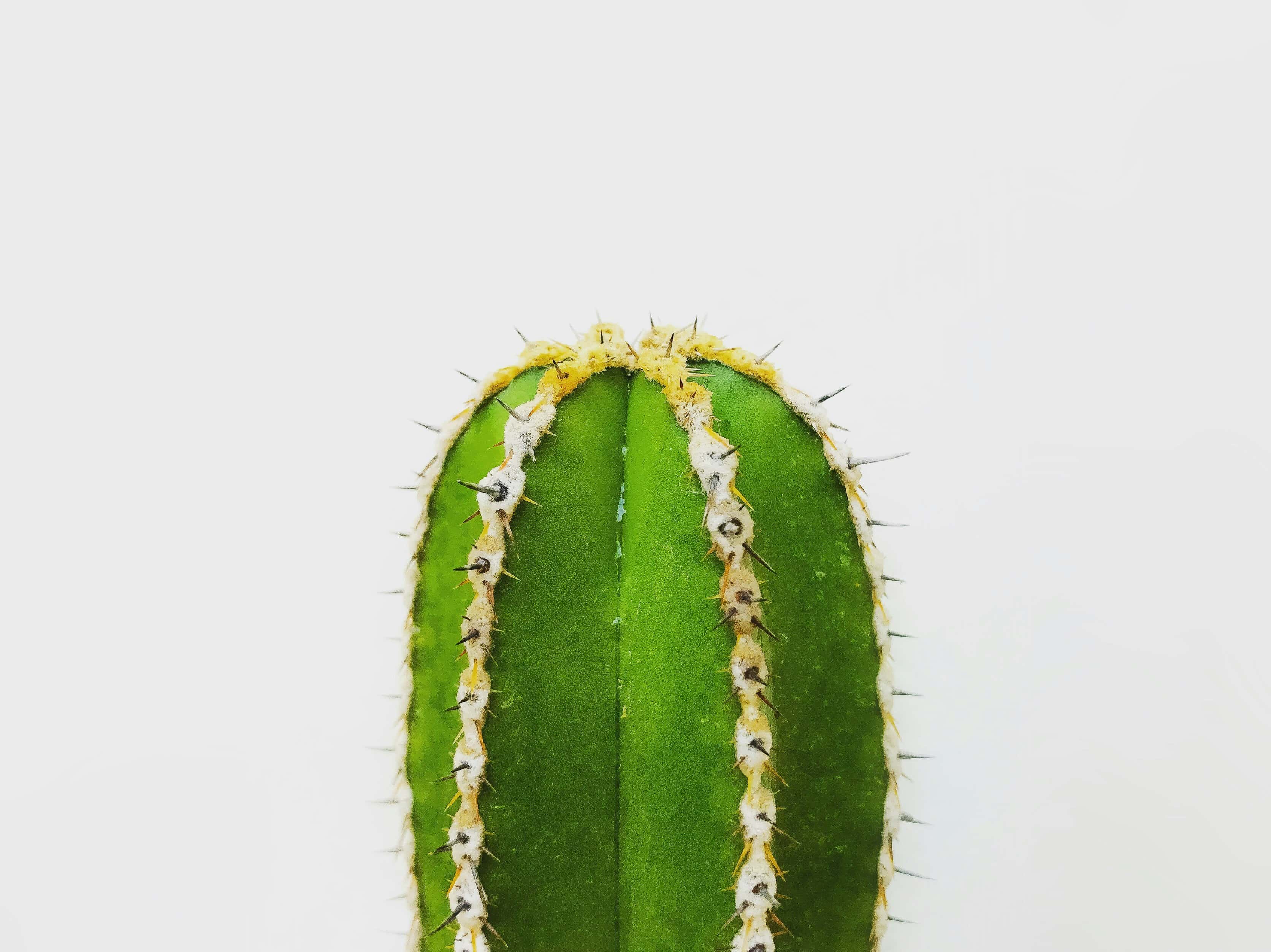 by Roberto Canedo (https://unsplash.com/@beto_canedo)
To produce their renowned red dye, cochineal insects secrete carminic acid, a natural defense mechanism. This compound is responsible for the intense red hue extracted during dye production.
Harvesting these insects involves meticulous processes, such as:
- Brushing insects off cactus pads into containers.
- Sun-drying entire pads with insects attached.
- Using nets to capture large quantities efficiently.
Notably, producing one pound of dye requires approximately 70,000 insects, underscoring the labor-intensive nature of the work. Despite this, cochineal farming is environmentally friendly and supports sustainable practices, making it a renewable resource.
How is Red Dye Made from Cochineal Insects?
The transformation of cochineal insects into dye is an intricate process combining tradition with precision. The steps include:
- Harvesting: Cochineal insects are carefully collected to ensure quality.
- Drying: The insects are sun-dried or baked, preserving their pigment.
- Grinding: Dried insects are ground into a rich crimson powder.
- Extraction: Water or alcohol is added to extract carminic acid.
- Mordanting: A mordant, like aluminum salt, is used to bind the dye to materials.
- Concentration: The liquid dye is purified and prepared for use.
These steps reflect a meticulous process that ensures the dye’s vibrancy, longevity, and purity.
The Many Uses of Cochineal Dye
Cochineal dye remains a sought-after natural pigment due to its versatility. Its deep red color and natural origins make it invaluable across various industries:
- Food Industry: Used in yogurts, candies, and beverages, often labeled as E120 or carmine.
- Cosmetics: A common pigment in lipsticks, blushes, and eyeshadows, appreciated for being hypoallergenic.
- Textiles: Dyes fabrics in hues ranging from soft pinks to deep reds, prized for its colorfastness.
- Art: Artists use it in paints and dyes to create works reflecting historical authenticity.
This broad range of applications highlights cochineal dye’s enduring importance. As consumers increasingly favor eco-friendly solutions, the demand for cochineal dye continues to rise.
Ethical and Vegan Perspectives
Despite its benefits, cochineal dye raises ethical questions. Since it derives from insects, it conflicts with vegan principles and ethical consumption practices.
Moreover, while the dye supports traditional farming communities, the labor-intensive harvesting process has sparked discussions about the ethical treatment of workers and insects.
For informed choices, consumers should learn about the production and sourcing of the products they use. Transparency from manufacturers can help align these products with individual values.
Cochineal vs. Synthetic Dyes
Cochineal dye offers distinct advantages over synthetic dyes:
- Eco-Friendliness: Cochineal is biodegradable, unlike many chemical-based synthetic dyes.
- Color Quality: Its vibrant hue surpasses most synthetic alternatives in depth and longevity.
- Health Impact: Free from harmful chemicals, cochineal dye is safer for consumers and the environment.
While synthetic dyes are cheaper and available in a broader color range, their environmental impact remains a concern. Cochineal dye, though costlier, appeals to those valuing sustainability and natural ingredients.
Caring for the Cochineal Cactus Plant
The Cochineal cactus plant, or Opuntia, thrives in dry climates like South America, Mexico, and the Southwestern United States. With minimal care, it grows well in well-drained soil and needs infrequent watering.
Importantly, this plant provides a vital habitat for cochineal insects, supporting natural dye production. Cultivating the cactus not only preserves traditional practices but also ensures the sustainability of this unique symbiotic relationship.
By protecting this delicate balance, growers contribute to the preservation of natural dyes and the ecosystems they support.
Sustainability and Innovation of Cochineal Dye
Cochineal dye holds promise for a sustainable future. As environmental concerns rise, natural dyes like cochineal gain traction. They offer an eco-friendly alternative to chemical dyes, supporting cleaner industries.
Innovative uses for cochineal dye are emerging in various sectors. Beyond textiles, it shows potential in biodegradable plastics and natural food colorants. These applications take advantage of its non-toxic and biodegradable properties.
Biotechnology plays a role in the dye’s future. Researchers explore methods to enhance dye production using genetic techniques. These advances can increase yield and reduce the environmental footprint of cochineal cultivation.
As demand for eco-friendly products grows, cochineal dye becomes increasingly relevant. It embodies a blend of tradition and modern innovation. By balancing these elements, cochineal remains an integral part of sustainable practices worldwide.
FAQs About Cochineal Dye
- What are cochineal insects? Cochineal insects are small scale insects found on cactus plants. They produce carminic acid, the source of cochineal dye.
- What plant do cochineal insects live on? They thrive on the Opuntia cactus, sometimes called the prickly pear cactus.
- How is red dye made from cochineal insects? The insects are harvested, dried, and crushed to extract carminic acid. This acid is then processed into dye.
- How can I tell if a product contains cochineal dye? Check the label for E120 or carmine in the ingredient list.
- Is cochineal dye safe for consumption? Cochineal dye is considered safe by food regulatory agencies. It is widely used in foods and cosmetics.
- Can cochineal dye cause allergies? While rare, some individuals may experience allergies. It’s advisable for sensitive users to check labels.
- Is cochineal dye vegan-friendly? No, since it’s derived from insects, it may not align with vegan principles. Ethical alternatives are available.
- What industries use cochineal dye? The dye is used in food, cosmetics, textiles, and art. Its vibrant color appeals to multiple industries.
- Does harvesting cochineal insects harm the environment? Properly managed, cochineal farming is sustainable and involves minimal environmental disruption.