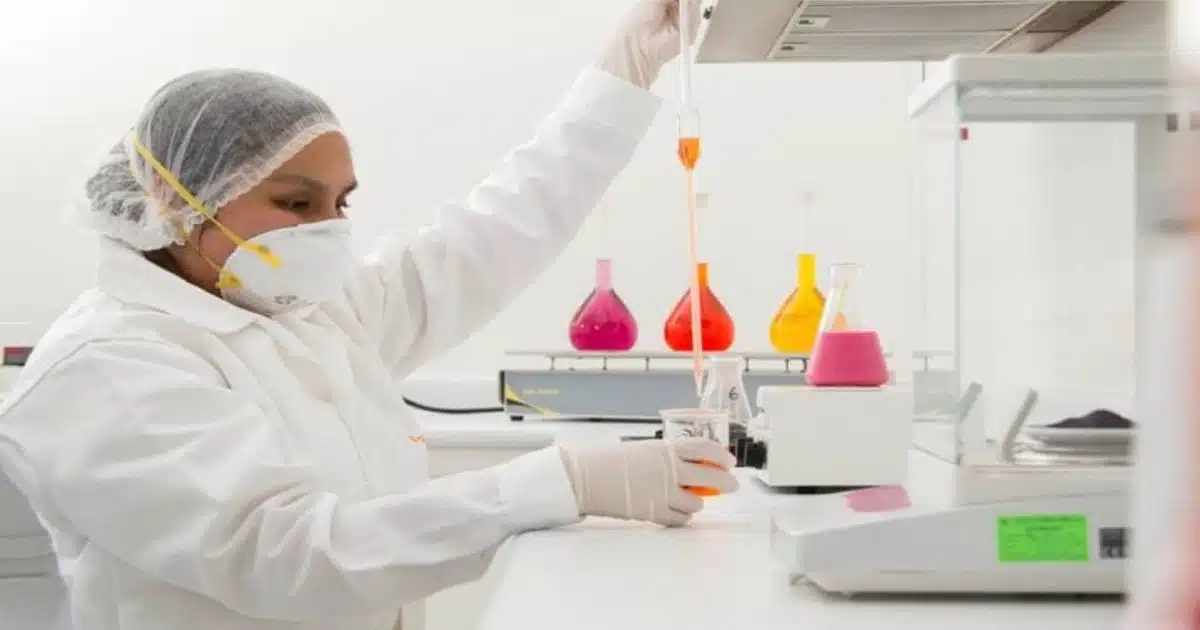
Ever wondered what gives your candy that neon red pop or your sports drink that glowing blue hue? Spoiler: It’s probably not natural—and in many cases, not even safe. For decades, synthetic food coloring made from petroleum have been the industry standard in U.S. snacks, cereals, sodas, and even medications. But mounting evidence has linked many of these bright pigments to serious health concerns—ranging from tumors in lab animals to hyperactivity in children.
On April 22, 2025, the FDA, in coordination with Health Secretary Robert F. Kennedy Jr., finally made a move long requested by consumer advocates: a sweeping plan to phase out eight of the most dangerous artificial dyes from the U.S. food supply by the end of 2026.
This isn’t just another “watch what you eat” headline. It’s a historic shift in how the U.S. regulates the colorants that saturate its food system.
Let’s break down exactly which dyes are on the chopping block, why they’re harmful, and what changes you’ll see on your plate.
The 8 FDA-Targeted Food Coloring and Why They’re a Problem
Red No. 3 (Erythrosine) – The Tumor Trigger
- Used in: Candied cherries, baked goods, kids’ snacks.
- Risk: Linked to thyroid tumors in rats.
- Deadline:
- Food products: January 15, 2027
- Drugs (oral use): January 15, 2028
- Food products: January 15, 2027

Red No. 40 (Allura Red AC) – The Attention Grabber
- Used in: Soft drinks, cereals, candy, chips.
- Risk: May worsen ADHD symptoms, trigger allergic reactions.
- Deadline: December 31, 2026

Yellow No. 5 (Tartrazine) – The Allergy Amplifier
- Used in: Lemon candies, jello, processed snacks.
- Risk: Linked to hives, asthma, and behavioral changes.
- Deadline: December 31, 2026

Yellow No. 6 (Sunset Yellow FCF) – The Tumor Suspect
- Used in: Baked goods, cereals, cheese dips.
- Risk: Connected to kidney tumors in some animal studies.
- Deadline: December 31, 2026

Blue No. 1 (Brilliant Blue FCF) – The Brain Invader
- Used in: Ice cream, frosting, sports drinks.
- Risk: May cross the blood-brain barrier and interfere with cell function.
- Deadline: December 31, 2026

Blue No. 2 (Indigotina) – The Hidden Hazard
- Used in: Candy coatings, drinks, pet treats.
- Risk: Tied to brain and bladder tumors in lab animals.
- Deadline: December 31, 2026

Green No. 3 (Fast Green FCF) – The Fake Freshness
- Used in: Mint jelly, canned peas, dog food.
- Risk: Associated with bladder tumors.
- Deadline: December 31, 2026

Citrus Red No. 2 – The Orange Peel Problem
- Used in: Coloring the rind of Florida oranges.
- Risk: Classified by IARC as possibly carcinogenic.
- Status: Ban process initiated, expected by end of 2026.

Orange B – The Hot Dog Ghost
- Used in: Sausage and hot dog casings (rare today).
- Risk: Suspected carcinogen based on 1970s research.
- Status: Ban process underway.

Why This Matters: It’s Not Just About Dyes
These dyes weren’t just making your food look fun—they were masking low-quality ingredients and triggering real biological reactions.Consumer watchdogs like the CSPI have warned about these additives for years, but regulatory inertia kept them legal—until now. With public demand for clean labels rising and international markets already moving toward natural alternatives, the U.S. had to act.