 Skip to content


Oleoresin capsicum is a concentrated extract of chili peppers containing capsaicinoids responsible for pungency and natural compounds that contribute to color. It is used in food manufacturing to formulate sauces, snacks, meat products, soups, and seasonings with controlled sensory characteristics.
For food manufacturers, choosing the right oleoresin capsicum involves evaluating pungency, color, formulation compatibility, stability, and technical documentation. As a result, a supplier with clear specifications can help manufacturers control dosage, reduce batch-to-batch variation, and meet consumer expectations consistently.
What Is an Oleoresin?
In general, an oleoresin is a concentrated extract obtained from plant material through an extraction process that recovers selected compounds. Depending on its botanical source, it can contribute flavor, aroma, color, and other sensory characteristics.
Oleoresin capsicum comes from fruits of the genus Capsicum, which includes different varieties of chili peppers and hot peppers. Its composition depends on the raw material and processing conditions. Key components include capsaicinoids, which produce the sensation of heat, and natural pigments that contribute to its color.
Differences Between Oleoresins, Essential Oils, and Ground Spices
Although these ingredients come from plant sources, they differ in composition and application. For that reason, manufacturers should compare their properties before choosing one.
- Oleoresins: Concentrated extracts containing compounds associated with flavor, color, and pungency.
- Essential oils: Contain primarily volatile compounds associated with a plant’s aroma and have different properties from oleoresins.
- Ground spices: Retain the solid plant matrix and may vary in moisture, particle size, and composition depending on the raw material and processing.
Ultimately, the choice depends on the desired sensory profile, food matrix, and manufacturing process. Oleoresins are useful when manufacturers need a concentrated extract with defined characteristics.
How Oleoresin Capsicum Is Made
1. Raw Material Selection and Drying
First, the process begins with selecting chili peppers that meet established quality requirements. For example, variety, maturity, and storage conditions can influence the extract’s composition.
When necessary, manufacturers dry the peppers to control moisture and prepare the material for subsequent processing. This preparation helps keep the raw material more consistent.
2. Grinding
Next, processors grind the dried chili peppers to reduce particle size and improve contact with the extraction medium. This step influences extraction efficiency and the recovery of the desired compounds.
3. Extraction
During extraction, processors use an appropriate solvent to recover the compounds of interest from the prepared raw material. Meanwhile, the method and operating conditions influence the characteristics of the resulting extract.
4. Solvent Removal
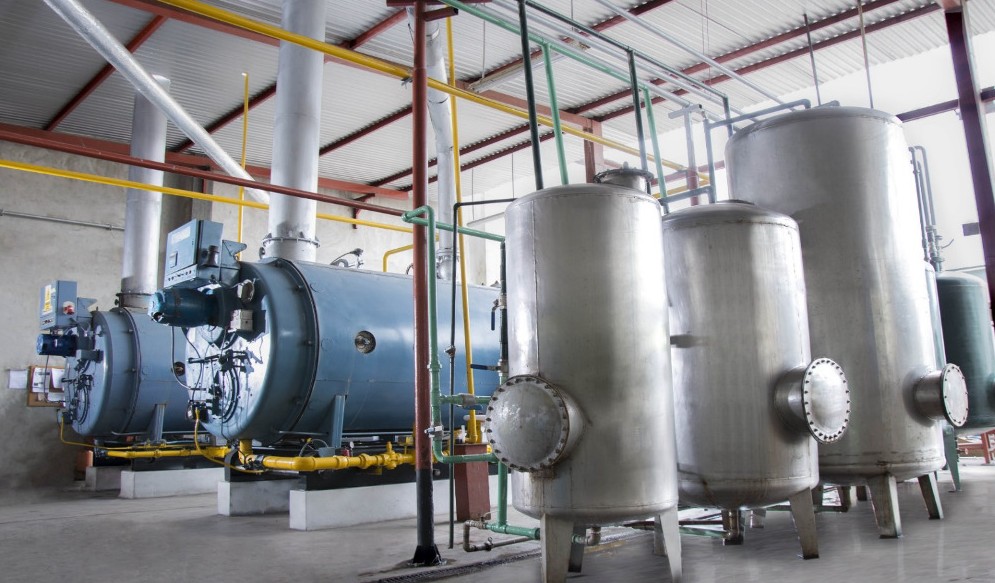
After extraction, processors remove the solvent through a controlled process. This stage helps the ingredient meet applicable product specifications and food safety requirements. In addition, quality teams check the relevant parameters against the limits for the ingredient’s intended use.
5. Standardization and Quality Control
Quality teams evaluate the extract against the parameters established for commercial use. These may include pungency, color, composition, and other relevant physicochemical characteristics.
In addition, standardization helps maintain consistency between batches and supports accurate industrial dosing. To verify a commercial grade’s characteristics, review its technical data sheet and Certificate of Analysis (COA).
Pungency and Color: SHU vs. ASTA
When selecting oleoresin capsicum, pungency and color are important parameters. Although both influence the characteristics of a food product, they measure different properties and should be evaluated separately.
Color is another important consideration when developing food formulations. To learn more about natural red pigments, their sources, and their applications in food manufacturing, read our guide to natural red color for food.
What Are SHU?
To measure pungency, manufacturers use Scoville Heat Units (SHU), which express the heat level of chili peppers and their extracts. This characteristic is primarily associated with the concentration of capsaicinoids, including capsaicin.
In industrial applications, the SHU value helps manufacturers compare commercial grades and estimate the amount needed for a target heat level. For example, a hot sauce manufacturer must consider the extract’s potency and the finished product’s desired sensory profile.
What Does the ASTA Value Represent?
The ASTA color value measures the color intensity of certain spice-derived products through specific analytical methods. This parameter is particularly relevant to paprika-related products.
By contrast, ASTA does not measure pungency. An extract can have a particular heat level and different color characteristics. Therefore, manufacturers should set separate requirements for pungency and color according to their formulation needs.
How to Compare Oleoresin Grades
| Parameter | What It Measures | Industrial Importance |
|---|---|---|
| Pungency (SHU) | Heat intensity | Defines the desired heat profile. |
| Color (ASTA, where applicable) | Color intensity under the relevant test method | Helps control product appearance. |
| Capsaicinoids | Compounds associated with heat | Helps characterize the extract. |
| Solubility or dispersibility | Behavior within the formulation | Guides format selection. |
| Stability | Retention of specified characteristics | Supports consistency during storage. |
However, you should verify actual values in the technical data sheet for each commercial grade. Before selecting an IMBAREX oleoresin capsicum product, request its pungency specifications, applicable color parameters, and corresponding COA. These documents let you compare products using verifiable criteria.
Oleoresin Capsicum vs. Paprika Oleoresin
Although oleoresin capsicum and paprika oleoresin come from plants in the Capsicum genus, they are not interchangeable in every formulation. The choice depends on the raw material, sensory profile, and characteristics required in the finished product.
| Characteristic | Oleoresin Capsicum | Paprika Oleoresin |
|---|---|---|
| Raw material | Chili peppers selected for the product | Pepper varieties used to produce paprika |
| Main characteristic | Provides heat and may contribute color | Primarily used for its color contribution |
| Relevant compounds | Capsaicinoids and pigments | Carotenoid pigments and other plant compounds |
| Applications | Hot sauces, snacks, and seasonings | Sauces, dressings, snacks, and meat products |
| Selection criteria | SHU, color, and compatibility | Color intensity, stability, and compatibility |
Because each extract’s composition depends on the plant variety and production process, compare the technical data carefully. To evaluate an ingredient intended primarily for color, visit the IMBAREX paprika oleoresin page. Comparing the technical specifications helps determine which ingredient better meets your formulation requirements.
Food Applications of Oleoresin Capsicum
Sauces and Seasonings
For sauces and seasonings, manufacturers need appropriate control over heat intensity. Oleoresin can deliver concentrated compounds in controlled amounts, provided the selected grade suits the formulation’s aqueous, oil-based, or emulsified phase.
Snacks
In potato chips, extruded snacks, and other savory products, manufacturers can add oleoresin through seasoning or coating systems. Consequently, uniform distribution helps maintain a consistent sensory profile and reduce differences in heat between portions.
Meat Products
Likewise, in sausages, marinades, and other meat preparations, oleoresin can contribute to the desired heat profile. Manufacturers should assess its use in relation to the product composition, other ingredients, and processing conditions.
Soups and Prepared Foods
Similarly, manufacturers can use oleoresins in soups, culinary bases, and ready-made meals when they need consistent heat levels across batches. With appropriate dispersion, manufacturers can distribute the ingredient more uniformly throughout the finished product.
Dosage and Formulation Testing
There is no universal dosage for oleoresin capsicum. Instead, the required amount depends on the commercial grade’s pungency, the food matrix, processing conditions, and desired sensory result.
Follow the supplier’s recommendations and conduct small-scale trials before moving to full production. Record the amount used and evaluate heat, distribution, and stability after processing. Finally, manufacturers should establish the final industrial dosage through controlled trials using the ingredient’s technical specifications.
Advantages Over Ground Chili
Overall, oleoresin capsicum can offer advantages over directly incorporating ground chili peppers, particularly when manufacturers need to control a product’s sensory characteristics.
- Formulation control: Analytical parameters help determine the amount needed to achieve the desired profile.
- Batch consistency: A standardized extract can help reduce heat variation when consistent dosing procedures are followed.
- Fewer visible particles: Using an extract can avoid adding solid plant particles, which is useful in products requiring a uniform appearance.
- Quality control: Supplier documentation helps assess relevant physicochemical and microbiological characteristics.
- Storage management: The technical data sheet provides the specified storage conditions and shelf life.
However, the extract is not automatically sterile or free from microorganisms. Check the relevant documentation to verify microbiological quality and storage requirements.
Ultimately, compare oleoresin and ground chili based on the formulation, production process, and cost in use—not price per kilogram alone.
Regulations and Labeling
For food manufacturers serving markets with specific certification requirements, choosing ingredients that meet the appropriate standards is essential. If you are exploring certified color ingredients for the Middle East, read our guide to finding a Halal Carmine E120 supplier for the Middle East.
Requirements for the U.S. Market
In the United States, the Food and Drug Administration (FDA) oversees various aspects of food safety, ingredients, and labeling.
Before incorporating oleoresin into a commercial formulation, manufacturers must confirm that regulations permit the ingredient for the intended use. They must also check applicable conditions, ingredient declarations, and finished-product labeling requirements.
Review the product-specific documentation and consult official sources or regulatory specialists when necessary.
Halal and Kosher Certifications
Halal and Kosher certifications may matter to companies serving markets with specific requirements. The relevant certifying organizations set the criteria, which may cover ingredients and production processes.
If your business requires either certification, request current documentation and confirm that it applies to the specific commercial grade you intend to purchase.
How to Choose an Oleoresin Capsicum Supplier
1. Request a Certificate of Analysis (COA)
The COA should correspond to the product and batch being evaluated. Review the analytical results and specification limits to verify that the ingredient meets the established requirements.
2. Confirm the Specified Pungency
Ask which SHU range the commercial grade offers, how it is determined, and how variation between batches is controlled. This information helps establish whether the ingredient meets your target heat level.
3. Verify Residual Solvents
Request information about the extraction method and the controls applied to residual solvents, where applicable. Confirm that the specifications meet the requirements of the destination market.
4. Evaluate Traceability
Verify that the supplier can identify each product batch and provide relevant supply-chain documentation. This traceability supports investigations and quality issue management.
5. Review Certifications and Documentation
Check which current certifications your business requires and request information about quality controls and available physicochemical and microbiological specifications. Ensure that the documents correspond to the product you intend to purchase.
6. Choose the Right Format
The format should suit the manufacturing process and food matrix.
- Oil-soluble: May be suitable for compatible oil-based systems.
- Water-soluble or water-dispersible: May facilitate incorporation into certain aqueous systems.
- Powder: May be convenient for processes requiring dry, easily dosed ingredients.
However, these formats are not automatically interchangeable. Review the composition, dispersion system, and recommended conditions of use before selecting a product.
7. Request a Sample Before Scaling Up
With a sample, you can assess compatibility with other ingredients, ease of incorporation, sensory profile, and stability. Then, define acceptance criteria and record results to compare alternatives objectively.
In addition, review lead times, minimum order quantities, and technical documentation availability. A supplier that answers these questions clearly can support product development and supply continuity.
Frequently Asked Questions About Oleoresin Capsicum
Is Oleoresin Capsicum the Same as Pepper Spray?
No. Although the term oleoresin capsicum also appears in discussions of pepper spray, food-grade ingredients and personal defense formulations serve different purposes and follow different requirements. Oleoresin intended for food applications must be selected according to its intended use and specifications. It should not be confused with a personal defense formulation.
Is Oleoresin Capsicum Natural?
Manufacturers obtain it from chili peppers, which are plant-based raw materials. However, the final composition and the way companies declare the ingredient depend on the manufacturing process and applicable labeling rules. Verify the documentation before making specific claims about its origin or natural status.
How Hot Is Oleoresin Capsicum?
Its heat level depends on capsaicinoid concentration and the commercial grade. Therefore, request the supplier’s SHU range and conduct formulation trials to determine the amount needed for the desired sensory profile.
How Do You Dilute Oleoresin Capsicum?
The method depends on the extract’s composition and compatibility with the medium. For example, some grades work in oil-based systems, while others disperse in water. For this reason, review the technical instructions and conduct controlled tests before setting an industrial procedure.
What Is the Shelf Life of Oleoresin Capsicum?
Shelf life depends on composition, packaging, and storage conditions. To maintain the specified product characteristics, consult the technical data sheet and follow the supplier’s storage instructions.
Request an Oleoresin Capsicum Sample for Your Formulation
Are you looking for a concentrated ingredient for sauces, snacks, meat products, or seasonings with a defined heat profile? Contact IMBAREX to request a free sample and the product technical data sheet. Review the available specifications and evaluate compatibility with your industrial formulation requirements.


